Composition of Balanced Meals
A balanced meal typically incorporates multiple food groups in thoughtful proportions:
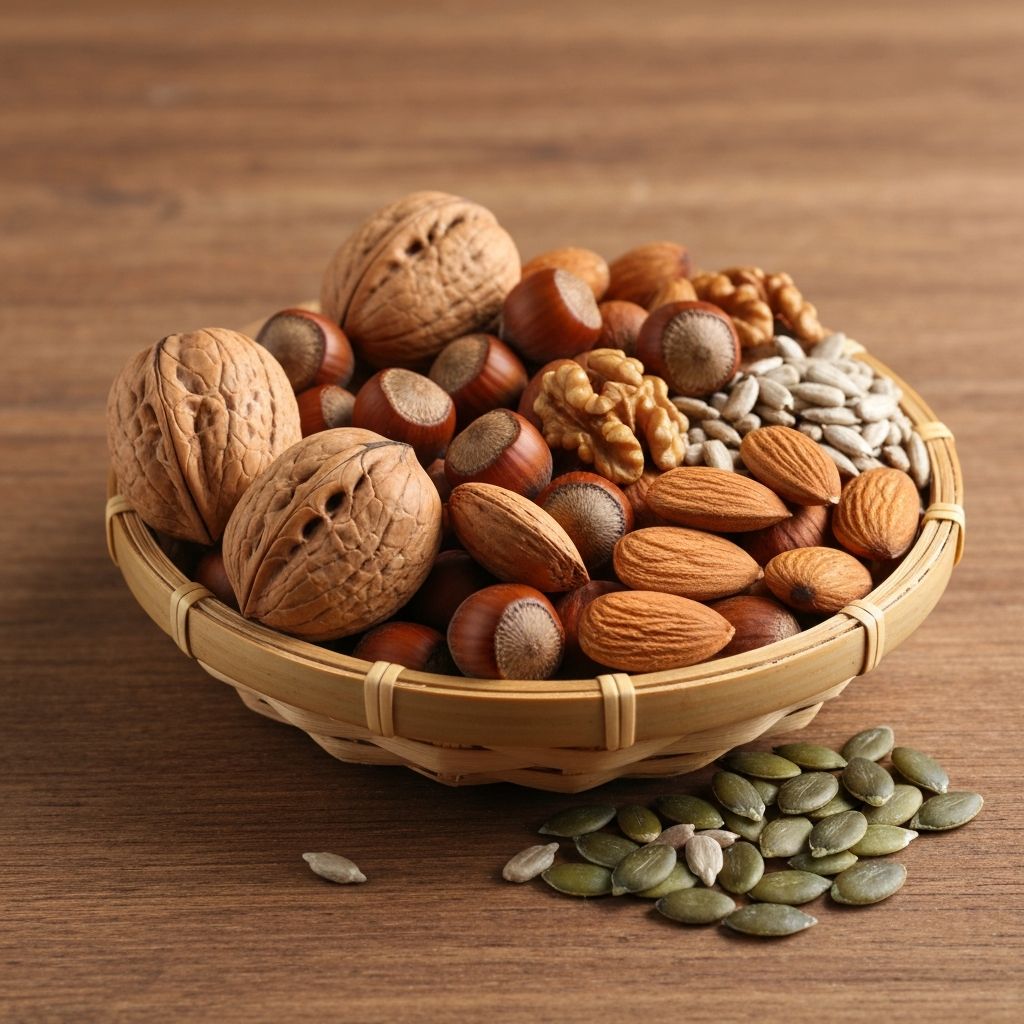
- Protein sources: Meat, fish, legumes, dairy, nuts, and seeds provide amino acids and sustained satisfaction
- Whole grains and carbohydrates: Brown rice, oats, wholemeal bread, and vegetables offer fibre and steady glucose availability
- Vegetables and fruits: Provide vitamins, minerals, phytonutrients, and fibre supporting metabolic function
- Healthy fats: Olive oil, avocado, and nuts support nutrient absorption and prolonged satiety
The proportional balance of these components influences how sustained energy availability is throughout the day following meal consumption.
Timing and Energy Availability
Meal timing affects energy patterns. Morning meals provide fuel for morning activity and cognitive function. Midday meals replenish resources for afternoon engagement. Evening meals support nighttime recovery and sleep preparation.
Research indicates that individuals consuming balanced meals experience more stable energy levels compared to consumption of processed foods high in refined sugars and lacking protein and fibre. This stability reflects the different rates at which various nutrients are digested and utilised.
Practical Awareness
Understanding nutritional basics helps individuals recognise connections between meal composition and subsequent energy patterns. Observing personal responses to different meal types and proportions offers valuable information for making conscious food choices.
This awareness supports informed decision-making about nutrition without requiring complex calculations or rigid meal planning systems.
Further Learning
Interested in exploring related topics? Browse our other articles:
Everyday Movement Beyond Exercise
Read Article
The Role of Rest in Overall Wellness
Read Article
Educational content only. No medical services. No promises of outcomes.